
Medically Reviewed By: Orlando Llorente, MD – Board-Certified Plastic Surgeon
Deciding to have a tummy tuck is exciting, but for many patients, the biggest questions begin after surgery. How painful is recovery? When can you stand up straight? How long will swelling last? When is it safe to drive, return to work, or exercise again?
These are some of the most common questions patients ask before scheduling surgery, and for good reason. While a tummy tuck can create dramatic improvements in abdominal contour, the recovery process is just as important as the procedure itself. Understanding what to expect week by week helps reduce anxiety, allows you to prepare your home and schedule, and gives you realistic expectations as your body heals.
At Epic Plastic Surgery, board-certified plastic surgeon Dr. Orlando Llorente believes that informed patients tend to have a smoother, more confident recovery. Every patient heals differently, but having a general roadmap can make the experience feel much more manageable.
Quick Answer
Most patients can walk the day of surgery, return to desk work within two to three weeks, resume driving once they are no longer taking prescription pain medication and can move comfortably, and gradually return to exercise around six weeks with their surgeon’s approval. Swelling improves significantly during the first two to three months, while final tummy tuck results typically continue to develop over six months to a year.
Table of Contents
- Week-by-Week Recovery Timeline
- Week 1 Recovery
- Weeks 2–3 Recovery
- Weeks 4–6 Recovery
- Months 2–12 Healing
- Swelling and Scar Healing
- Sleeping After a Tummy Tuck
- Returning to Work and Driving
- Exercise Timeline
- Traveling to Miami for Surgery
- Frequently Asked Questions
Important Note
Recovery after a tummy tuck is a gradual process—not an overnight transformation. It’s completely normal to experience swelling, tightness, temporary discomfort, and emotional ups and downs during healing. Understanding what’s expected at each stage can help you feel more confident, avoid unnecessary worry, and focus on achieving the best possible long-term result.
Tummy Tuck Recovery at a Glance
Although every patient’s recovery is unique, most people follow a similar healing pattern. The first week focuses on protecting your incision and allowing your body to begin healing. Over the following weeks, you’ll gradually become more comfortable, regain mobility, and slowly return to normal daily activities.
| Recovery Stage | What Most Patients Experience |
|---|---|
| Week 1 | Walking with a slight bend, swelling, bruising, soreness, surgical drains if used, and frequent short walks around the house. |
| Weeks 2–3 | Improved mobility, reduced discomfort, gradual return to light daily activities, and possible return to desk work. |
| Weeks 4–6 | Standing fully upright, decreasing swelling, increasing energy, and gradual return to exercise after surgeon approval. |
| Months 2–6 | Continued scar maturation, fading swelling, improved abdominal contour, and increasing comfort during physical activity. |
| 6–12 Months | Final results continue developing as tissues soften, scars mature, and swelling completely resolves. |
Remember that this timeline represents general expectations. Factors such as your overall health, whether muscle repair was performed, your body’s natural healing response, and how closely you follow postoperative instructions can all influence your individual recovery.

Week 1: The Most Important Stage of Recovery
The first week after surgery is when your body begins the healing process. It’s also the period when you’ll likely notice the most swelling, tightness, and temporary discomfort. While many patients expect to spend the week in bed, that’s actually not recommended.
Instead, you’ll be encouraged to take short, gentle walks around your home beginning the day of surgery. These brief walks help improve circulation, support healing, and reduce the risk of certain postoperative complications.
What You’ll Likely Feel
During the first several days, it’s common to experience:
- Tightness across the abdomen.
- Mild to moderate discomfort controlled with prescribed medication.
- Bruising around the surgical area.
- Noticeable swelling.
- Difficulty standing fully upright.
- Fatigue that gradually improves each day.
Many patients are surprised by the feeling of abdominal tightness. This sensation is especially common when the abdominal muscles have been repaired during surgery. As healing progresses, the tight feeling gradually decreases.
Dr. Orlando Llorente’s Perspective
“One of the most reassuring things I tell patients is that it’s normal to feel tight during the first week. Your body has undergone a significant procedure, and those early sensations are part of the healing process. Rather than trying to rush recovery, focus on walking regularly, staying hydrated, eating nutritious meals, and following your postoperative instructions. Small daily improvements quickly add up.”
Walking Is One of the Best Things You Can Do
Although you’ll need plenty of rest, gentle walking is one of the healthiest activities during early recovery. Short walks around your home several times each day help maintain circulation, reduce stiffness, and encourage your body to recover more efficiently.
There’s no need for long walks or strenuous activity during this stage. Think of movement as medicine—small, frequent walks are far more beneficial than trying to do too much too soon.
How Should You Sleep During the First Week?
Sleeping comfortably is one of the biggest concerns after a tummy tuck. Because the abdominal skin and muscles have been tightened, lying completely flat may feel uncomfortable during the early stages of recovery.
Most surgeons recommend sleeping on your back with your upper body slightly elevated and your knees bent using pillows or an adjustable recliner. This position reduces tension on the incision and helps make getting in and out of bed more comfortable.
Although this sleeping position may feel unusual at first, most patients adapt within a few nights as their body begins healing.
Weeks 2–3: Regaining Comfort and Confidence
By the second and third weeks after surgery, many patients begin noticing meaningful improvements in their recovery. While your body is still healing internally, everyday activities often become easier, swelling slowly starts to decrease, and moving around feels more natural than it did during the first few days.
It’s also around this time that many patients experience an emotional boost. The initial soreness begins fading, and early improvements in abdominal shape become easier to appreciate—even though swelling is still present.
Keep in mind that healing doesn’t happen in a straight line. Some days you’ll feel noticeably better, while others may bring increased fatigue or temporary swelling, especially if you’ve been more active than usual. This is completely normal.
What Changes During Weeks 2–3?
Most patients notice gradual improvements such as:
- Less abdominal tightness.
- Reduced bruising.
- Improved posture.
- More energy throughout the day.
- Greater independence with daily activities.
- Increasing comfort while walking.
Although you’ll likely feel much better than you did during the first week, your internal tissues are still healing. This is why it’s important not to mistake feeling better for being fully recovered.
When Can You Return to Work?
One of the first questions many patients ask during their consultation is, “How much time should I take off from work?”
The answer depends on several factors, including the type of work you do, whether your procedure included muscle repair, and how your body heals.
| Occupation | Typical Return Timeline* |
|---|---|
| Desk or office job | Approximately 2–3 weeks. |
| Remote work | Sometimes sooner if comfortable and approved by your surgeon. |
| Jobs requiring prolonged standing | Usually 3–4 weeks or longer. |
| Heavy lifting or physically demanding work | Often 6–8 weeks or longer, depending on healing. |
*Recovery timelines vary. Always follow your surgeon’s recommendations before returning to work.
If your job involves lifting, repetitive bending, climbing, or strenuous physical activity, you’ll likely need additional healing time before returning safely.
Dr. Orlando Llorente’s Perspective
“Patients often feel surprisingly good after two or three weeks, but healing beneath the skin is still taking place. Returning to physically demanding work too early can place unnecessary stress on your repair. Giving your body adequate time to heal helps protect your surgical result.”
When Is It Safe to Drive?
Driving represents an important milestone because it signals increased independence. However, safety is the priority.
Most patients can consider driving once they:
- Are no longer taking prescription pain medication.
- Can comfortably turn their body without significant pain.
- Can brake quickly if necessary.
- Feel alert and confident behind the wheel.
For many patients, this occurs sometime during the second or third week, although every recovery progresses differently. Before driving, discuss your specific situation with your surgeon.
Can You Shower?
Patients are often eager to resume normal hygiene routines after surgery. The timing of your first shower depends on your surgical technique, dressings, drains (if used), and your surgeon’s postoperative instructions.
Once you’re cleared to shower:
- Use lukewarm—not hot—water.
- Avoid scrubbing your incision.
- Gently pat the area dry with a clean towel.
- Avoid soaking in baths, hot tubs, or swimming pools until approved.
Keeping your incision clean while avoiding excessive moisture supports proper healing and reduces the risk of complications.
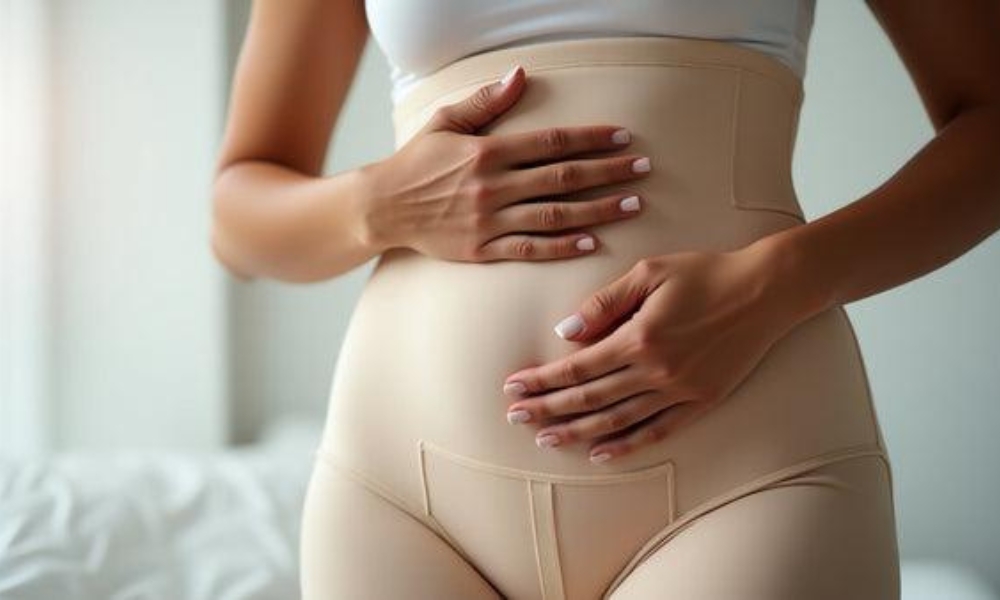
Compression Garments: Why They Matter
Compression garments play a key role during tummy tuck recovery. While they may not always feel glamorous, they provide valuable support as your tissues heal.
Your compression garment may help:
- Reduce swelling.
- Support healing tissues.
- Improve comfort during movement.
- Help your skin adapt to its new contour.
- Encourage a smoother postoperative shape.
The exact type of garment and how long you’ll wear it varies depending on your procedure and your surgeon’s recommendations.
Important Note
Swelling often fluctuates throughout the day. Many patients notice that they look flatter in the morning and slightly more swollen by evening, particularly after being active. This daily variation is a normal part of healing and doesn’t mean something is wrong. Staying hydrated, wearing your compression garment as directed, and avoiding strenuous activity can help manage temporary swelling.
Understanding Swelling During Recovery
Swelling is one of the most misunderstood aspects of tummy tuck recovery. Many patients worry that persistent swelling means the procedure “didn’t work” or that something is wrong. In reality, swelling is your body’s natural response to surgery and an essential part of the healing process.
During the first several weeks, the abdomen may feel firm, tight, or even slightly uneven. As inflammation gradually decreases, your new contour becomes more visible.
It’s also common for swelling to improve slowly rather than all at once. You may notice subtle changes from week to week rather than dramatic differences from one day to the next.
Most patients experience:
- The greatest swelling during the first one to two weeks.
- Noticeable improvement by six to eight weeks.
- Continued refinement over several months.
- Final contour development between six and twelve months.
Questions About Your Recovery?
Healing after a tummy tuck is a journey, and every patient progresses at their own pace. During your recovery, regular follow-up appointments allow Dr. Orlando Llorente to monitor your healing, answer your questions, and provide personalized guidance as you safely return to everyday activities.
If you’re considering tummy tuck surgery and want a detailed understanding of what recovery involves, schedule a consultation with Epic Plastic Surgery. A personalized treatment plan can help you prepare with confidence before surgery even begins.
Weeks 4–6: Returning to Normal Activities
By the fourth week, many patients begin feeling much more like themselves. Everyday movements become easier, standing fully upright usually feels comfortable, and the tight sensation across the abdomen gradually becomes less noticeable.
Although you’ll likely have more energy during this stage, it’s important to remember that healing is still taking place beneath the surface. Your incision may appear well healed externally, but the deeper tissues and abdominal muscle repair continue strengthening for several more weeks.
This is often the stage when patients begin seeing more noticeable improvements in their abdominal contour. As swelling slowly decreases, the flatter profile created during surgery becomes increasingly visible.
What You May Notice During Weeks 4–6
- Improved posture and mobility.
- Less swelling than during the first month.
- Increased stamina throughout the day.
- Greater comfort while walking.
- A flatter abdominal appearance.
- Growing confidence wearing fitted clothing.
Many patients also find that sleeping becomes significantly more comfortable, allowing them to rest more naturally and wake up with less stiffness.
Dr. Orlando Llorente’s Perspective
“Around the one-month mark, patients often become excited because they begin seeing meaningful changes in their shape. While it’s encouraging to see early results, I remind patients that swelling is still present and the body continues refining over the coming months. Patience during this stage is rewarded with a more natural final outcome.”
When Can You Sleep Normally Again?
One of the most common recovery questions is, “When can I stop sleeping on my back?”
During the first few weeks, sleeping with your upper body slightly elevated and your knees supported helps reduce tension on the abdominal incision. As healing progresses, many patients gradually transition to a flatter sleeping position.
Side sleeping may become more comfortable after several weeks, depending on your individual recovery and your surgeon’s recommendations. However, sleeping on your stomach is generally avoided until the abdominal tissues have healed sufficiently.
Every patient progresses differently, so always follow the guidance provided during your postoperative appointments.
How Long Should You Wear Your Compression Garment?
Compression garments remain an important part of recovery throughout the first several weeks. They provide gentle support while your tissues heal and help manage postoperative swelling.
Depending on your procedure and healing progress, Dr. Llorente may recommend wearing your garment for several weeks or longer. As swelling decreases, adjustments may be made to improve comfort while continuing to support your recovery.
It’s important not to stop wearing your compression garment simply because you feel better. Continuing to follow your surgeon’s instructions helps optimize healing and supports your final contour.
When Can You Exercise Again?
Returning to exercise is exciting for many patients, especially those who maintained an active lifestyle before surgery. However, one of the biggest mistakes patients can make is resuming strenuous workouts before their body is ready.
Your abdominal muscles and deeper tissues need adequate time to heal before being exposed to significant physical stress.
| Activity | Typical Timeline* |
|---|---|
| Short walks | Day of surgery or as instructed. |
| Light household activities | Approximately 2–3 weeks. |
| Stationary cycling or gentle cardio | Often around 4–6 weeks with surgeon approval. |
| Strength training | Usually after 6–8 weeks, depending on healing. |
| Core exercises and abdominal workouts | Only after clearance from your surgeon. |
*Recovery varies between patients. Always follow your surgeon’s individualized recommendations.
Trying to “push through” discomfort isn’t beneficial during recovery. Healing progresses best when activity increases gradually and safely.
Important Note
It can be tempting to resume your regular workout routine as soon as you start feeling better, especially if you’re eager to maintain your results. However, the internal muscle repair performed during many tummy tucks requires time to heal properly. Returning to strenuous exercise too soon may increase discomfort and place unnecessary stress on healing tissues. Following your surgeon’s timeline helps protect both your recovery and your long-term results.
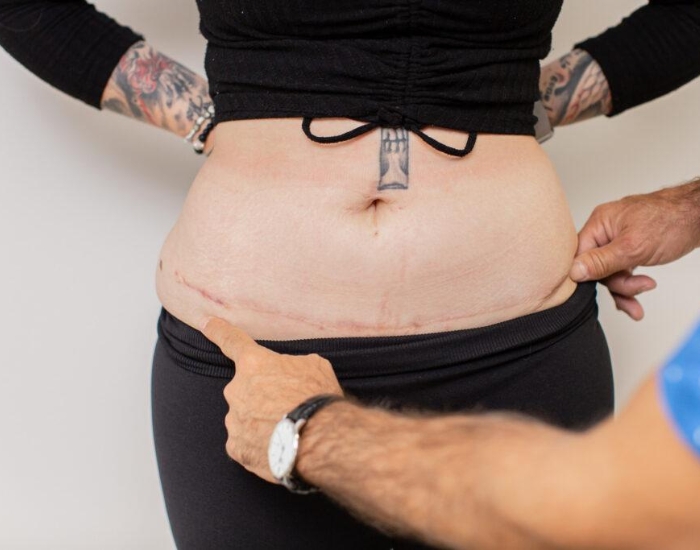
Scar Healing: What Should You Expect?
Every tummy tuck creates a surgical scar, but it’s important to remember that scars continue changing long after the incision has closed.
Initially, the scar often appears:
- Pink or red.
- Slightly raised.
- Firm to the touch.
Over time, the scar gradually becomes:
- Lighter in color.
- Flatter.
- Softer.
- Less noticeable.
Scar maturation is a slow process that commonly continues for twelve months or longer. Protecting your scar from direct sun exposure and following your surgeon’s scar care recommendations can help support the best cosmetic result.
Months 2–12: Watching Your Final Results Develop
Although many patients are thrilled with their appearance within the first several weeks, your body continues changing well beyond the initial recovery period.
Between two and six months, swelling continues decreasing, tissues soften, and the abdominal contour becomes increasingly refined. Patients often notice that clothing fits better, posture feels more natural, and the repaired abdominal wall feels stronger.
By six to twelve months, the majority of swelling has resolved, scars continue fading, and the final surgical result becomes much more apparent.
This gradual progression is one reason experienced plastic surgeons encourage patience. The body needs time to complete the healing process, and subtle improvements continue long after patients resume their normal routines.
Dr. Orlando Llorente’s Perspective
“One of my favorite follow-up appointments is around the six- to twelve-month mark. Patients often tell me they loved their early results, but they didn’t realize how much additional refinement would occur over time. Healing is gradual, and allowing your body to recover naturally produces the most beautiful long-term outcome.”
Long-Term Recovery Tips for the Best Possible Results
Although the most noticeable healing occurs during the first several weeks, protecting your results remains important long after you’ve returned to your normal routine. A tummy tuck creates long-lasting improvements, but maintaining those results depends on healthy lifestyle habits and following your surgeon’s recommendations.
Simple daily choices can make a meaningful difference in how your body heals and how your final results look months and even years after surgery.
Support Your Recovery By:
- Maintaining a stable, healthy weight.
- Eating a balanced diet rich in lean protein, fruits, vegetables, and whole grains.
- Staying well hydrated throughout recovery.
- Avoiding nicotine products before and after surgery, as advised by your surgeon.
- Wearing compression garments for the recommended period.
- Attending every scheduled follow-up appointment.
- Gradually returning to physical activity only after receiving medical clearance.
- Protecting your incision and scar from direct sun exposure.
While no surgery can stop the natural aging process, maintaining healthy habits can help preserve your improved abdominal contour for many years.
Important Note
Healing doesn’t end when you return to work or the gym. Your body continues remodeling tissue, reducing swelling, and refining scars for months after surgery. Being patient with the process—and avoiding the temptation to compare your recovery to someone else’s—can help you appreciate the gradual improvements that occur over time.
Benefits, Limitations, and Potential Risks
Benefits of a Tummy Tuck
- Creates a flatter, firmer abdomen.
- Removes excess skin that cannot shrink naturally.
- Repairs separated abdominal muscles (diastasis recti) when appropriate.
- Improves waistline definition.
- Enhances clothing fit and body confidence.
- Provides long-lasting results when paired with a healthy lifestyle.
Understanding the Limitations
A tummy tuck is designed to improve body contour—not serve as a weight-loss procedure. It also cannot prevent future changes caused by pregnancy, significant weight fluctuations, or the natural aging process. Patients achieve the best long-term outcomes when they maintain a stable weight after surgery.
Potential Risks
As with any surgical procedure, a tummy tuck carries potential risks. These may include bleeding, infection, delayed wound healing, fluid collection (seroma), changes in skin sensation, scarring, asymmetry, and the possibility of revision surgery. Choosing a board-certified plastic surgeon and carefully following postoperative instructions helps reduce these risks.
Dr. Orlando Llorente’s Perspective
“Recovery isn’t about reaching a finish line as quickly as possible—it’s about healing correctly. Patients who give their bodies the time they need often achieve the smoothest recovery and the most natural-looking long-term results. My goal is to guide every patient safely through each stage of healing while providing realistic expectations and personalized care.”
Traveling to Miami for a Tummy Tuck
Patients from across Florida, throughout the United States, and internationally travel to Miami for body contouring surgery with Dr. Orlando Llorente. If you’re planning surgery away from home, preparing for your recovery before you travel can make the experience significantly more comfortable.
Whenever possible, arrange for a trusted family member or friend to accompany you during the first stage of recovery. You’ll also want comfortable accommodations, easy access to medications, nutritious meals, and transportation to follow-up appointments before returning home.
At Epic Plastic Surgery, our team works closely with out-of-town patients to help coordinate consultation scheduling, surgery planning, recovery guidance, and postoperative follow-up so you can focus on healing with confidence.
Flexible Financing Options
Many patients choose to finance cosmetic surgery to make treatment more manageable. Epic Plastic Surgery offers financing options for qualified patients, allowing you to move forward with your aesthetic goals while selecting a payment plan that fits your budget. During your consultation, our patient coordinators can explain available financing solutions and answer any questions you may have.
Schedule Your Tummy Tuck Consultation
Whether you’re considering a tummy tuck after pregnancy, weight loss, or simply to achieve a flatter abdominal contour, understanding the recovery process is an important first step. During your consultation, Dr. Orlando Llorente will evaluate your anatomy, discuss your goals, explain what recovery will involve, and create a personalized surgical plan designed specifically for you.
If you’re ready to learn more about tummy tuck surgery or want expert guidance on whether you’re a candidate, schedule your private consultation with Epic Plastic Surgery today.
Frequently Asked Questions
How painful is tummy tuck recovery?
Most patients experience tightness, soreness, and temporary discomfort during the first week. Prescription medications, early walking, and following postoperative instructions help keep discomfort manageable.
When can I drive after a tummy tuck?
Many patients are able to drive once they are no longer taking prescription pain medication and can comfortably move without significant discomfort. Always receive clearance from your surgeon before driving.
How long does swelling last?
The majority of swelling improves during the first two to three months, but subtle swelling may continue resolving for up to a year.
When can I return to work?
Patients with desk jobs often return within two to three weeks, while physically demanding occupations may require six weeks or longer depending on recovery.
When can I sleep on my side?
Many patients gradually transition to side sleeping after several weeks, depending on comfort and their surgeon’s recommendations.
When can I exercise again?
Walking begins immediately after surgery, while more strenuous exercise is typically resumed around six weeks or later with your surgeon’s approval.
Will my scar disappear?
No scar disappears completely, but tummy tuck scars usually become flatter, softer, and less noticeable over time. Scar maturation commonly continues for 12 months or longer.
When will I see my final results?
Most patients notice significant improvement within several months, while final results continue developing between six and twelve months as swelling resolves and scars mature.
Related Guides
- Tummy Tuck vs. Liposuction vs. Lipo 360
- Mommy Makeover Recovery Week by Week
- How Long to Stay in Miami After Plastic Surgery
- Tummy tuck before and after photos
References
- American Society of Plastic Surgeons (ASPS): Tummy Tuck (Abdominoplasty)
- American Board of Plastic Surgery (ABPS)
- U.S. Food and Drug Administration (FDA)
Medical Disclaimer
This article is intended for educational purposes only and should not be considered medical advice. Recovery varies from person to person based on overall health, surgical technique, and individual healing characteristics. Always consult with a qualified board-certified plastic surgeon for recommendations tailored to your specific needs and recovery.